Modern Sport Pathways & Competition Framework
Delivered remotely by Squid Esports, official global delivery partner of Squid Academy.
A structured, school-ready esports education program designed for real classrooms and real outcomes
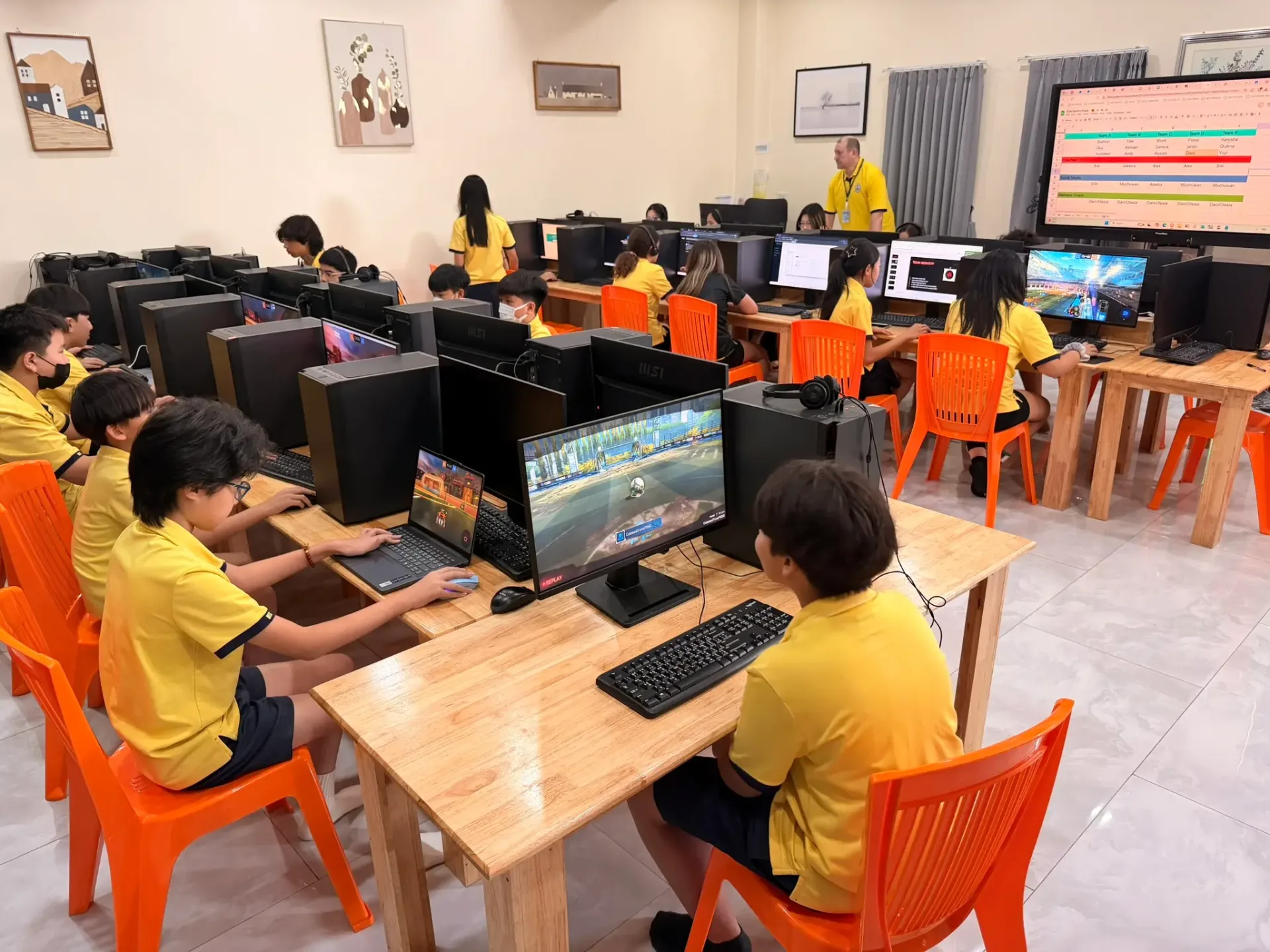
About the Program
At Squid Esports, we help schools turn student interest in gaming into structured, educational outcomes.
The Modern Sport Pathways & Competition Framework, developed by Squid Academy and delivered locally by our team, is a school-ready esports education program designed for real classrooms, not informal gaming clubs or free play.
For schools and educational institutions worldwide:
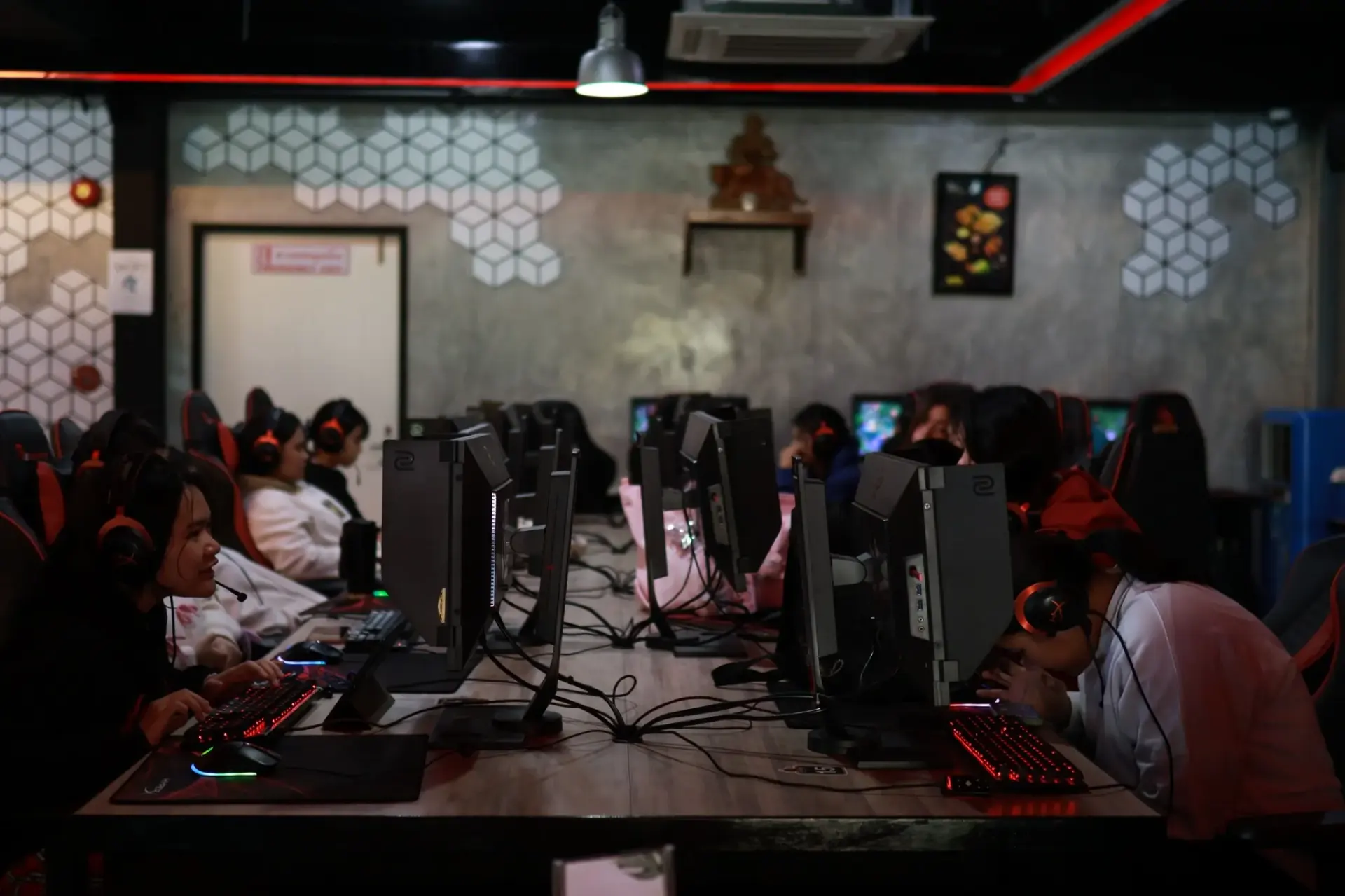
Why Schools Use This Approach
Esports is already popular with students, but without structure it is difficult for schools to manage or justify.
- Channels student engagement into guided, purposeful learning
- Uses team-based competition to teach communication and accountability
- Makes learning visible to teachers, parents, and school leadership
- Supports both competitive and non-competitive students through defined roles
As Squid Academy's global delivery partner, we provide full remote onboarding, training, and ongoing support to schools anywhere in the world.
Institutions Using Our Programs
Currently delivering our suite of accredited programs
 Regents International School Pattaya
 Mooltripakdee International School
 Pattaya City 11 School
 Holy Redeemer School Khon Kaen
 Assumption University of Thailand
 Sri Emas International School
 Dwi Emas International School
 Miami Community Charter School
 Squid Esports PodRegents International School PattayaMooltripakdee International SchoolPattaya City 11 SchoolHoly Redeemer School Khon KaenAssumption University of ThailandSri Emas International SchoolDwi Emas International SchoolMiami Community Charter SchoolSquid Esports Pod
Curriculum
Curriculum Overview
The Modern Sport Pathways & Competition Framework gives schools a structured yet flexible esports curriculum that can be adapted to different age groups, timetables, and learning goals.
Competitive Environments (Game Modules)
Esports titles are used as the practical space where students learn how to:




Titles are selected and configured based on age suitability, school policy, and learning focus. The emphasis is not on winning, but on how students perform within a structured system.
Role Pathways (Role Stacks)
To ensure inclusivity and clear responsibility, students can take on defined roles beyond playing. Role pathways commonly used by schools include:
- Coaching
- Wellness & Performance
- Social Media & Marketing
- Journalism & Content Creation
- Casting & Broadcast
- Team Operations & Management
This allows mixed-ability groups to participate meaningfully, while mirroring real-world team and workplace structures.
Why This Works for Schools
This curriculum works well because it:
- Supports mixed classrooms with different skill levels
- Balances competition with responsibility and wellbeing
- Allows schools to start small and expand over time
- Keeps learning outcomes visible and assessable
As the local delivery partner, we help schools configure the curriculum so it fits their students, staff capacity, and school culture, without adding unnecessary complexity.
Delivery
Delivery & Implementation
At Squid Esports, we handle the practical side of implementation so schools can focus on teaching, not managing esports.
How We Support Schools
We support schools with:
- Program configuration and rollout planning
- Teacher onboarding and facilitation guidance
- Ongoing delivery and operational support
Schools receive access to Squid Academy's Learning Management System (LMS), which provides structured lessons, student progress tracking, and ready-to-use teaching materials. This ensures consistent delivery while allowing teachers to contextualise learning in their own classrooms.
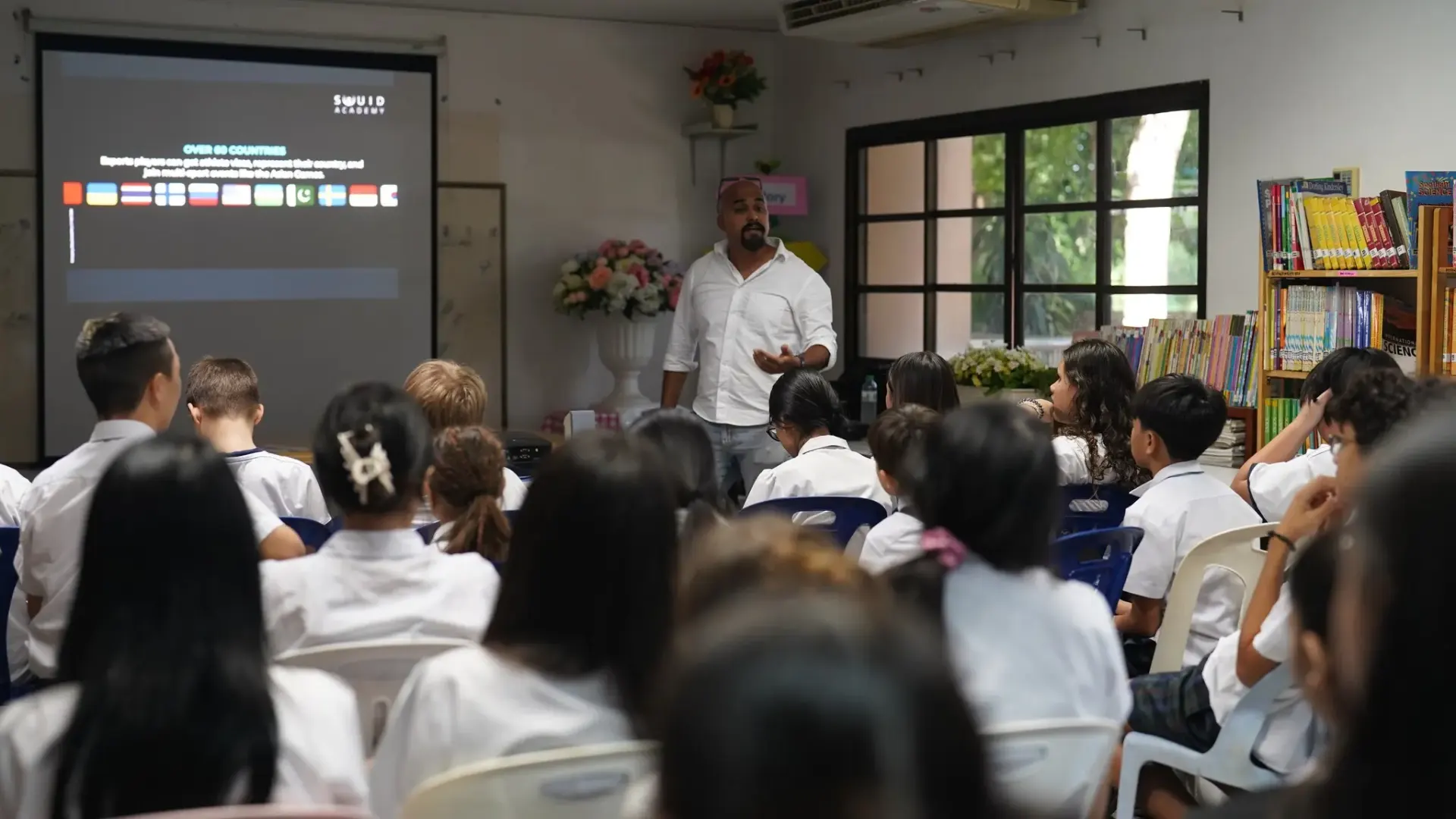
What a Typical Class Looks Like
Each session follows a predictable, school-friendly structure:
This format makes esports easy to integrate into existing schedules without disrupting core academics.
Team-Based Learning in Practice
Many schools choose a team-based approach, for example:
Outcomes
Outcomes & Why It Matters
The Modern Sport Pathways & Competition Framework is designed around visible learning outcomes, not screen time. For schools, this means esports that can be explained, justified, and evaluated just like any other structured program.
Student Outcomes
Through the program, students develop:
- Stronger communication and teamwork skills
- Clear responsibility through defined roles
- Digital literacy and responsible gaming habits
- Confidence through preparation, performance, and reflection
- Performance habits that transfer to academics and everyday life
Because learning is role-based and team-focused, both competitive and non-competitive students benefit.
Projects & Applied Learning (Optional)
Depending on how the school chooses to run the program, students may produce:
- Team branding and identity materials
- Wellness routines and performance guidelines
- Coaching plans and goal-setting frameworks
- Social media content and communication strategies
These outputs make learning tangible and shareable, supporting reporting to parents and school leadership.
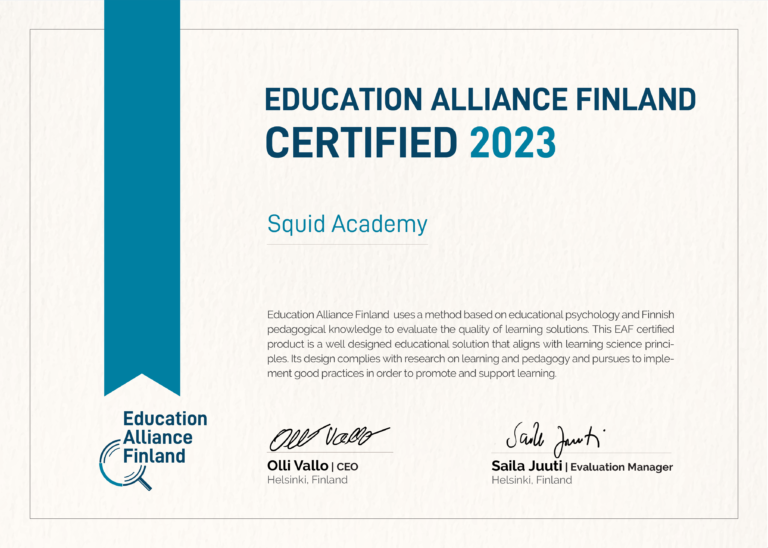
Internationally Accredited
Our curriculum has been certified by Education Alliance Finland with an Excellent rating for pedagogical quality.
Learn more about our accreditation →Language & Accessibility
All program materials are written to defined English-language standards, calibrated by audience and program level, so learning stays accessible while delivery stays confident and consistent.
Keeps content accessible for mixed-ability classrooms and English-language learners without diluting rigour.
Supports confident, consistent delivery by non-specialist educators with no prior esports background.
Request a proposal or a pilot
Share a few details and we will return a tailored scope, timeline, and cost estimate, plus a short pilot plan you can run with one class first.
We reply within 1 business day, in English or Thai.