Business of Esports
Distributed internationally by Squid Esports
A credit-bearing, three-term university pathway in esports business, available for universities in eligible international markets without an exclusive Squid Academy territorial partner. 45 weeks. 135 contact hours. 9 academic credits. Real outputs in every term.
Ideal for business, media, sports management, or event management faculties.
About the Program
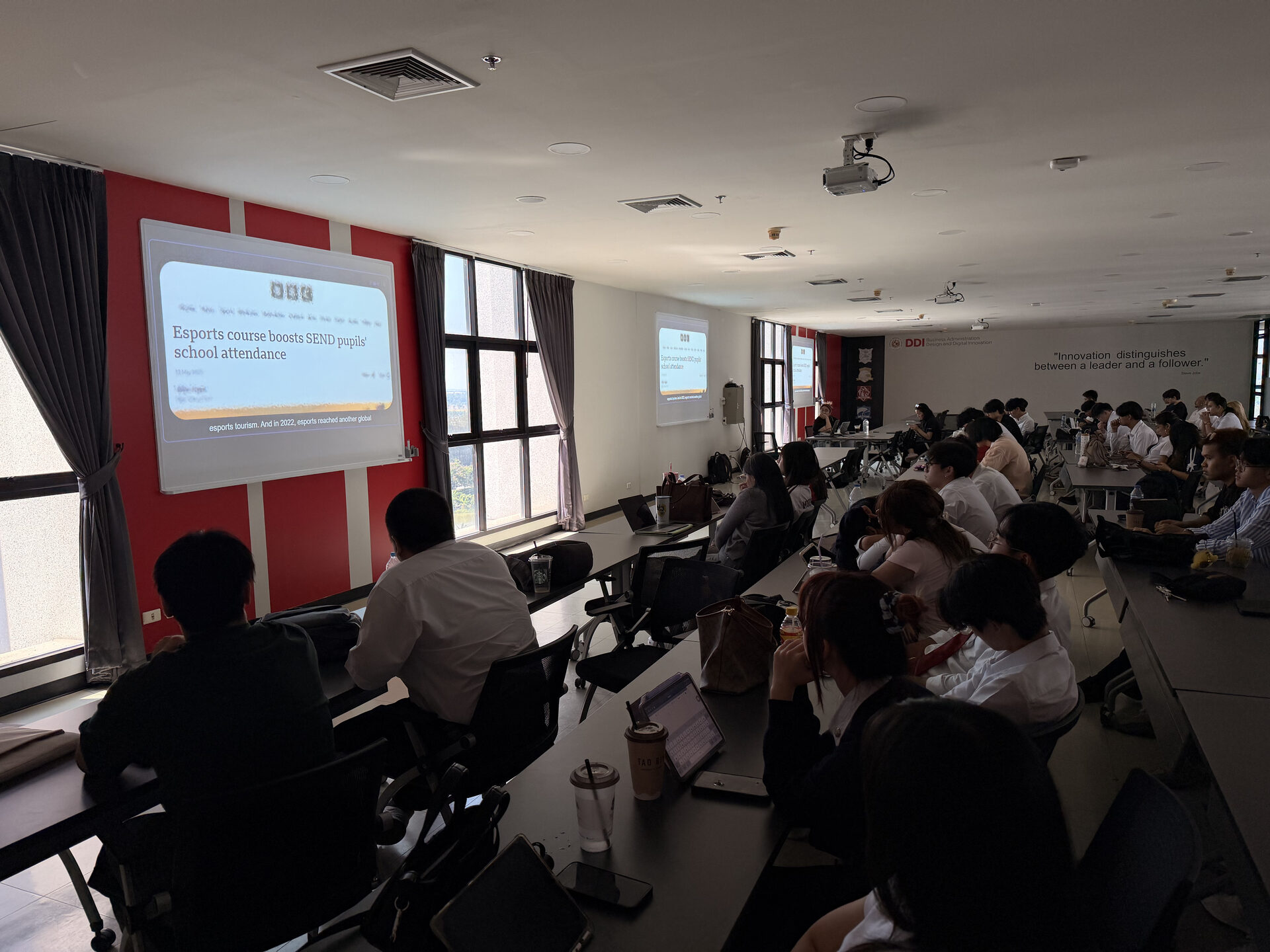
Business of Esports, developed by Squid Academy, is a three-term, credit-bearing university degree pathway. Across 45 weeks, students move from planners who design how the industry operates, to founders building ventures inside it, to operators who deliver a real event.
Each term ends with a real deliverable, not an examination: a Tournament Playbook, a pitched venture, then a live esports event. The five departments designed in Term 1 carry through as Term 2 startup tracks and Term 3 event-day teams.
The pathway is currently delivered in Thailand by Squid Esports, and is available internationally to universities and education partners in eligible markets where no exclusive Squid Academy territorial partner is already appointed.
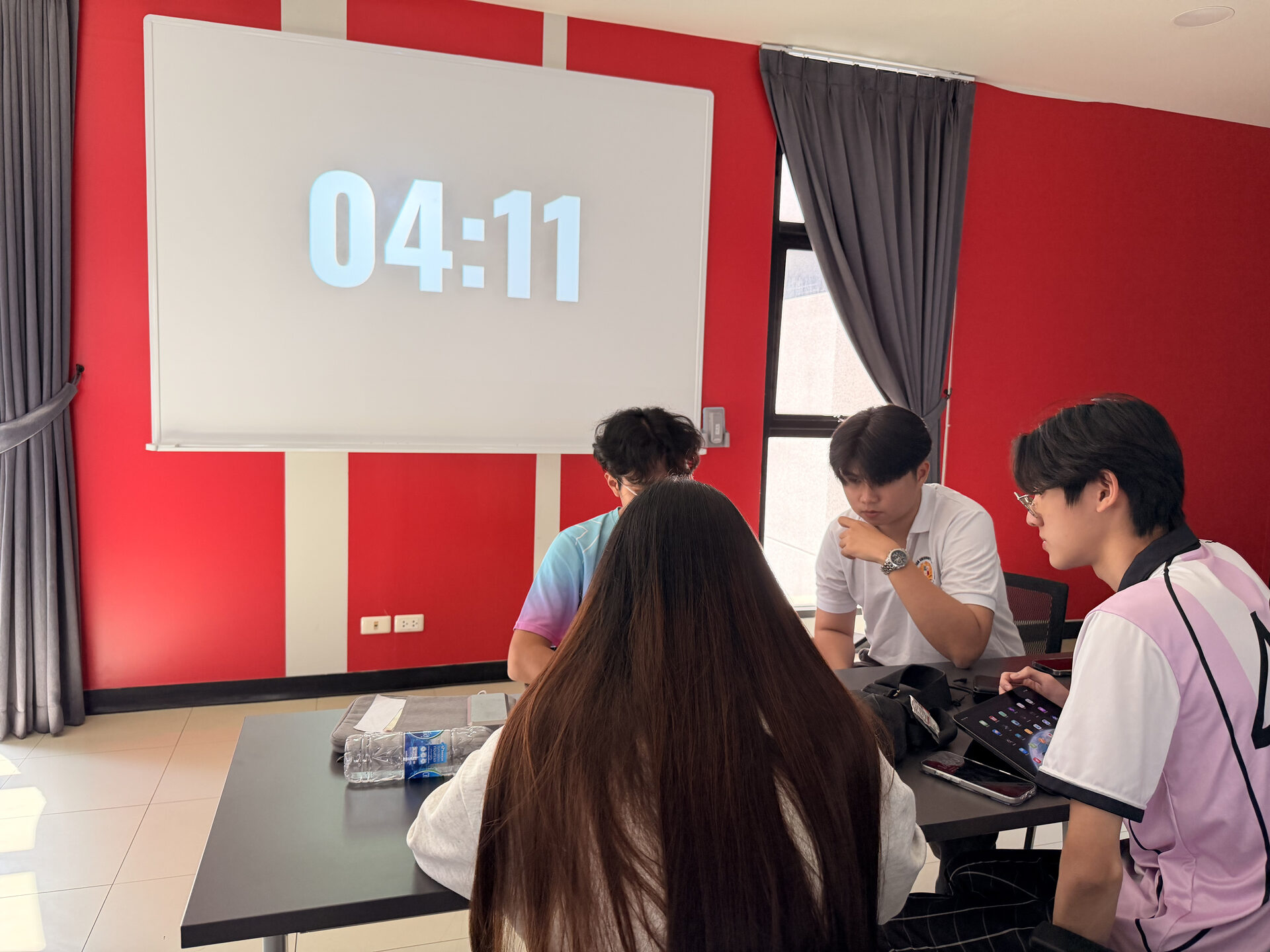
Delivered in Thailand through Squid Esports, the pathway has demonstrated cross-faculty demand, strong student satisfaction, and practical curriculum fit at university level.
Three principles that shape the pathway
Real outputs, not examinations
All three terms culminate in real artefacts: a complete operational playbook, a pitched venture, and a live tournament. No examinations.
Continuity across terms
The three terms are stages of a single arc. Departments designed in Term 1 become Term 2 startup tracks and Term 3 event-day teams.
Built by practitioners
Developed by working esports practitioners. Case studies, workshops, and outputs reflect how the industry actually operates.
Across the full pathway, students engage with:
- Industry structure and revenue models
- Tournament design and operations
- Budgeting and financial planning
- Sponsorship strategy and commercial positioning
- Marketing and audience development
- Media production and broadcast planning
- Governance, contracts, and risk management
Institutions Using Our Programs
Currently delivering our suite of accredited programs
 Regents International School Pattaya
 Mooltripakdee International School
 Pattaya City 11 School
 Holy Redeemer School Khon Kaen
 Assumption University of Thailand
 Sri Emas International School
 Dwi Emas International School
 Miami Community Charter School
 Squid Esports PodRegents International School PattayaMooltripakdee International SchoolPattaya City 11 SchoolHoly Redeemer School Khon KaenAssumption University of ThailandSri Emas International SchoolDwi Emas International SchoolMiami Community Charter SchoolSquid Esports Pod
Curriculum & Program Structure
Business of Esports is delivered as a three-term university pathway across 45 weeks, 135 contact hours, and 9 academic credits. Each term builds toward a real output: a tournament playbook, a startup pitch, and a live esports tournament.
Term 1: The Foundation (Planners)
15 weeks. 45 contact hours. 3 credits. Capstone: a complete Tournament Playbook.
Across 15 weeks, students learn the global esports industry by designing their own intra/inter-university tournament. By Module 13, the cohort elects into five operational departments to design the capstone tournament.
Five elected departments
Operations and Tournament Direction
Bracket design, scheduling, match administration, referee management, venue layout, on-day flow, dispute resolution.
Marketing, Brand and Content
Pre-event campaign, on-site branding, content calendar, recap pipeline.
Broadcasting and Production
Livestream technical design, casting plan, production schedule, broadcast graphics, recap production.
Commercial (Sponsorship and Partnerships)
Sponsor pack, prize pool sourcing, partner outreach, hospitality, industry guest list.
Tech, Governance and Welfare
Hardware spec, network and streaming infrastructure, rulebook, player welfare desk, incident response.
Three layers that elevate Term 1
Case Study Library
13 real industry case studies anchor the modules, each paired with a structured class debate and a short written analysis.
Live Brief Thread
A real industry partner sets a genuine problem at the start of term and receives a formal team presentation in Session 14.
Industry Site Visit
A structured six-to-eight-hour visit to a live professional esports tournament, with department-specific observation prompts and a follow-up integration session.
How the Program Progresses
Within Term 1, content is organised across the following seven phases:
Foundations
Students examine the esports ecosystem, key stakeholders, and commercial structures. They analyse how leagues, publishers, teams, sponsors, and media platforms interact.
Event Design & Operations
Students design a tournament format, define operational roles, build schedules, and draft administrative structures. Governance and rule frameworks are introduced early to ensure accountability.
Structure & People
The program explores staffing models, organisational structures, and player welfare considerations. Students define committees and assign responsibilities in preparation for execution.
Commercial & Marketing Strategy
Students develop sponsorship positioning, marketing concepts, and audience growth strategies. They produce draft pitch materials and activation plans suitable for real partners.
Media & Broadcast
Students plan broadcast workflows, production roles, and content distribution. This includes storytelling, platform selection, and technical coordination.
Legal, Infrastructure & Risk
The course covers contracts, codes of conduct, compliance basics, technology requirements, and contingency planning.
Integration & Execution
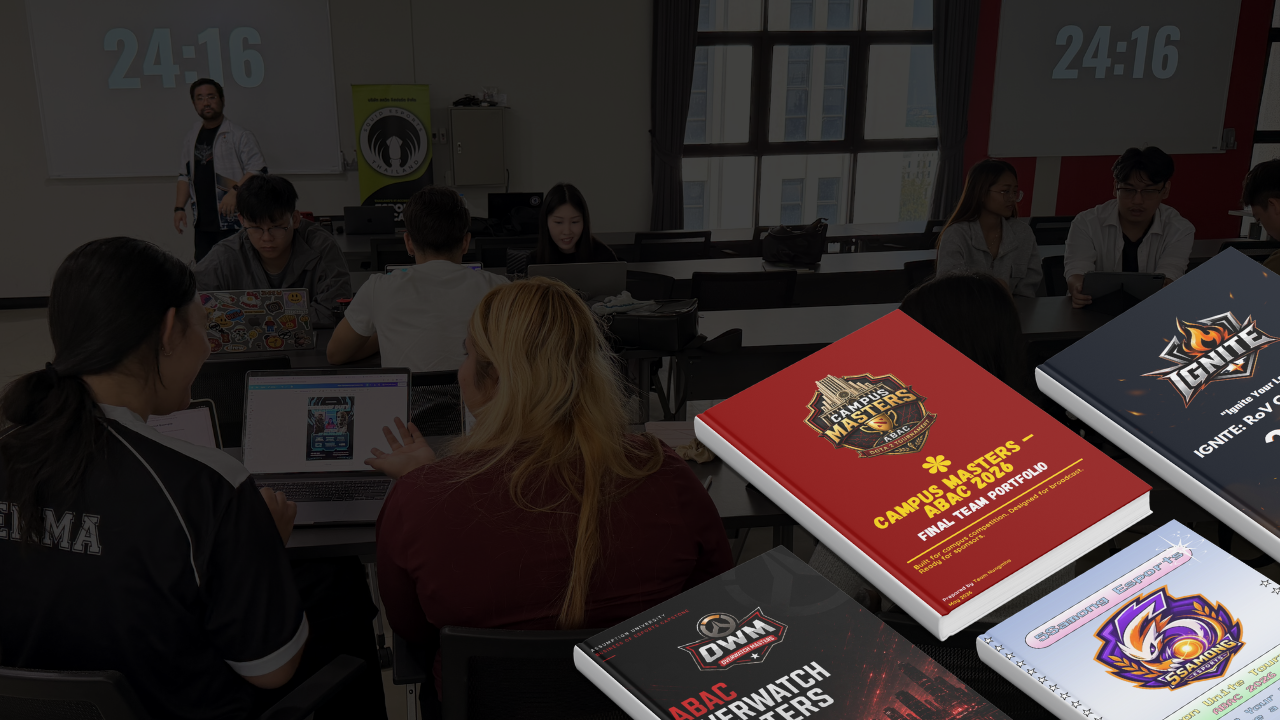
Before launch, students stress-test their systems, refine documentation, and finalise operational plans. The semester concludes with the live execution of the collegiate event and a structured post-event review.
Term 2: The Startup (Founders)
15 weeks. 45 contact hours. 3 credits. Capstone: a pitched esports venture at the host university's annual entrepreneurship showcase.
Students shift from planners to founders. Across 15 weeks, the cohort moves from customer discovery and validation to MVP and business model, ending in a live pitch to investors and industry judges.
Five startup tracks
Esports Tech and Platforms
Software and platforms solving operational and competitive problems. Tournament management software, analytics platforms, match-making services, player development tools.
Esports Media and Content
Content creation tools, broadcasting services, community platforms, creator infrastructure.
Esports Marketing and Sponsorship
Services and platforms that help brands enter, activate, and measure their esports presence.
Esports Hardware and Lifestyle
Physical products and venues built for the esports audience. Gaming peripherals, apparel, venues, wellness products.
Esports Education and Performance
Training platforms, coaching services, performance analytics, player development tools.
Six-phase arc
Weeks 1-2 · Reorientation. From planners to founders. Industry gap analysis.
Weeks 3-5 · Track election and customer discovery.
Weeks 6-8 · Ideation, validation, mid-term pitch checkpoint.
Weeks 9-11 · MVP design, prototyping, user testing.
Weeks 12-13 · Business model, pricing, financial projections.
Weeks 14-15 · Pitch Day at the host university annual showcase.
Three structural features of Term 2
Track Industry Mentors
Each track is led by a working professional in that vertical. Weekly contact. Gate-keeps mid-term and final decision points.
Sandbox-Integrated Funding
Students develop ventures with eligibility for seed funding from the host university's sandbox or incubator, depending on partner configuration.
Pitch Day at Annual Showcase
Final pitch delivered at the host university's annual entrepreneurship event to a judge panel of investors and industry partners.
Term 3: The Tournament (Operators)
15 weeks. 45 contact hours. 3 credits. Capstone: a real 16-team intra/inter-university tournament with real broadcast, prize pool, and industry guests.
The Term 1 playbook becomes a real live event. The same five departments return as event-day teams to deliver the tournament, from sponsor activation to incident response.
Five event-day teams
These are the same five departments from Term 1, returning to deliver the playbook they designed.
Tournament Direction
Bracket execution, scheduling, match administration, referee oversight, venue setup, on-day flow, dispute resolution.
Marketing, Brand and Content
Pre-event campaign execution, on-site branding install, live content capture, recap article, photo gallery, social content.
Broadcasting and Production
Livestream technical operation, on-site casting, video recap production, photography coordination, VOD packaging.
Commercial (Sponsorship and Partnerships)
Sponsor activation in market, prize pool delivery, partner liaison, hospitality desk, industry guest coordination.
Tech, Governance and Welfare
Hardware install, network and streaming infrastructure operation, rulebook enforcement, player welfare desk, incident response.
Three structural features of Term 3
Live Sponsor Activations
The cohort sources a real prize pool and partner inventory in market, using the Term 1 sponsor pack.
Full Technical Rehearsal
An end-to-end technical run the week before the event: bracket software, broadcast stack, network, hardware, casting, and incident response.
Live Event Delivery and Debrief
A real 16-team intra/inter-university tournament, closed by a publicity package, written case study, and structured debrief that feeds the next cohort.
The Continuity Principle
Five departments. Five tracks. Five event-day teams. One coherent arc.
The same student work carries across the pathway. Students design the operating departments in Term 1, explore related venture tracks in Term 2, then return to event-day teams in Term 3 to execute the tournament.
| Term 1 Department | Term 2 Track | Term 3 Event-Day Team |
|---|---|---|
| Operations and Tournament Direction | Esports Tech and Platforms | Tournament Direction |
| Broadcasting and Production | Esports Media and Content | Broadcasting and Production |
| Marketing and Brand + Commercial | Esports Marketing and Sponsorship | Marketing, Brand and Commercial Two departments converge into one vertical. |
| New direction | Esports Hardware and Lifestyle | Returns to chosen department Open track for students drawn to physical products and venues. |
| Tech, Governance and Welfare | Esports Education and Performance | Tech, Governance and Welfare |
Planning becomes founder intuition. Founder intuition returns to operational execution.
What students leave each term with
From Term 1: The Foundation
- A complete Tournament Playbook
- Five departmental plans
- An industry site visit observation report
- A Live Brief presentation and partner feedback
- 13 case study analyses
- A personal portfolio
From Term 2: The Startup
- A validated esports startup concept
- A working MVP (product, service, or platform)
- A user testing report with iteration evidence
- A complete pitch deck
- A one-page business plan with financials
- A live pitch performance under judge scrutiny
- A pathway to actual venture funding
From Term 3: The Tournament
- An executed intra/inter-university esports tournament
- A complete publicity package (recap video, photos, article, social)
- An integrated event case study
- Five departmental audit reports
- A real sponsor activation portfolio
- Live broadcast deliverables (VOD, recap, photos)
A student who completes all three terms graduates with more substantive professional evidence than most early-career esports professionals accumulate in their first two to three years in the industry.
What makes this different
A real tournament, not a tournament plan
The pathway culminates in an event that actually runs, with brackets, broadcast, prize money, and industry guests.
Three sequential capstones, not one
All three terms produce real deliverables: a playbook, a pitched venture, and a live event. No examinations.
Industry-built, externally validated
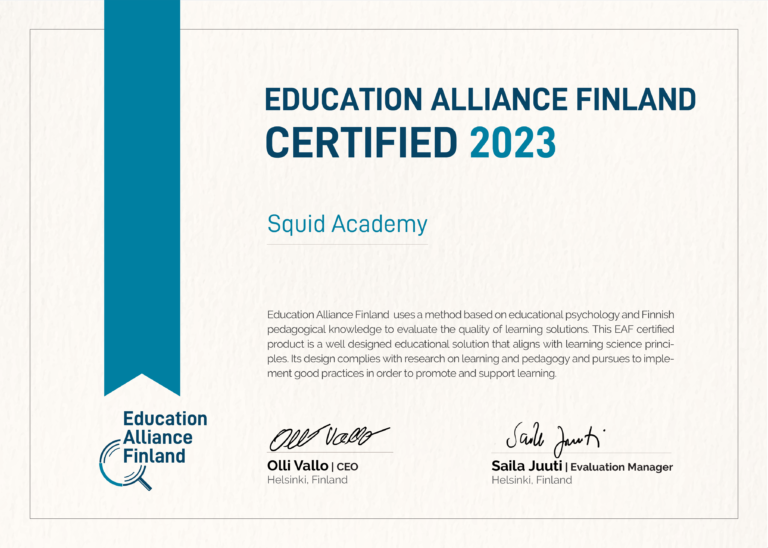
Built by working practitioners and externally validated by Education Alliance Finland: 92% against international standards, 4.2/5 on learning engagement.
Structural continuity across terms
Five departments in Term 1 map onto five tracks in Term 2 and five event-day teams in Term 3.
A path to real funding and a real event
Term 2 ventures graduate into the host university sandbox or incubator. Term 3 delivers a real event with real industry attendance.
Outcomes & Institutional Value
Business of Esports is designed to deliver measurable academic and professional outcomes, not just event experience.
Student Outcomes
By completing the program, students gain:
- Hands-on experience in planning and executing a live event
- Exposure to real business systems including budgeting, sponsorship, and operations
- Experience working in structured committees with defined responsibilities
- A portfolio of practical outputs suitable for internships or employment
Institutional Value
For universities, the program provides:
- A contemporary elective aligned with modern industry trends
- Cross-disciplinary relevance across business, media, communications, sport management, and technology faculties
- Strong student engagement without compromising academic standards
- A visible capstone event that enhances campus activity and institutional profile
Results from Thailand
Internationally Accredited
Our curriculum has been certified by Education Alliance Finland with an Excellent rating for pedagogical quality.
Learn more about our accreditation →Language & Accessibility
All program materials are written to defined English-language standards, calibrated by audience and program level, so learning stays accessible while delivery stays confident and consistent.
Matches the rigour expected at degree level while staying accessible to international cohorts from outside esports.
Enables academic staff and industry practitioners to teach effectively without a prior esports background.
Independently assessed pedagogy and engagement
- 92% pedagogy score from Education Alliance Finland.
- 4.2 out of 5 learning engagement rating.
- Among the highest scores recorded for any esports education provider globally.
See the program in action
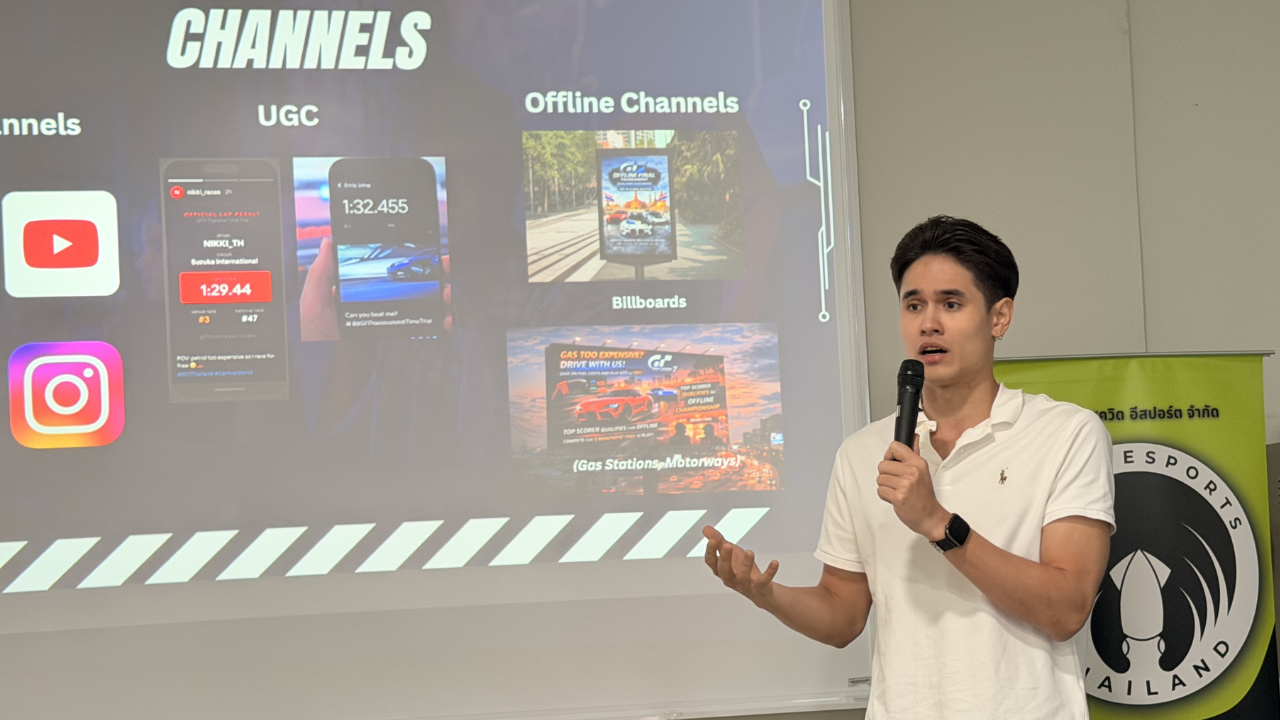
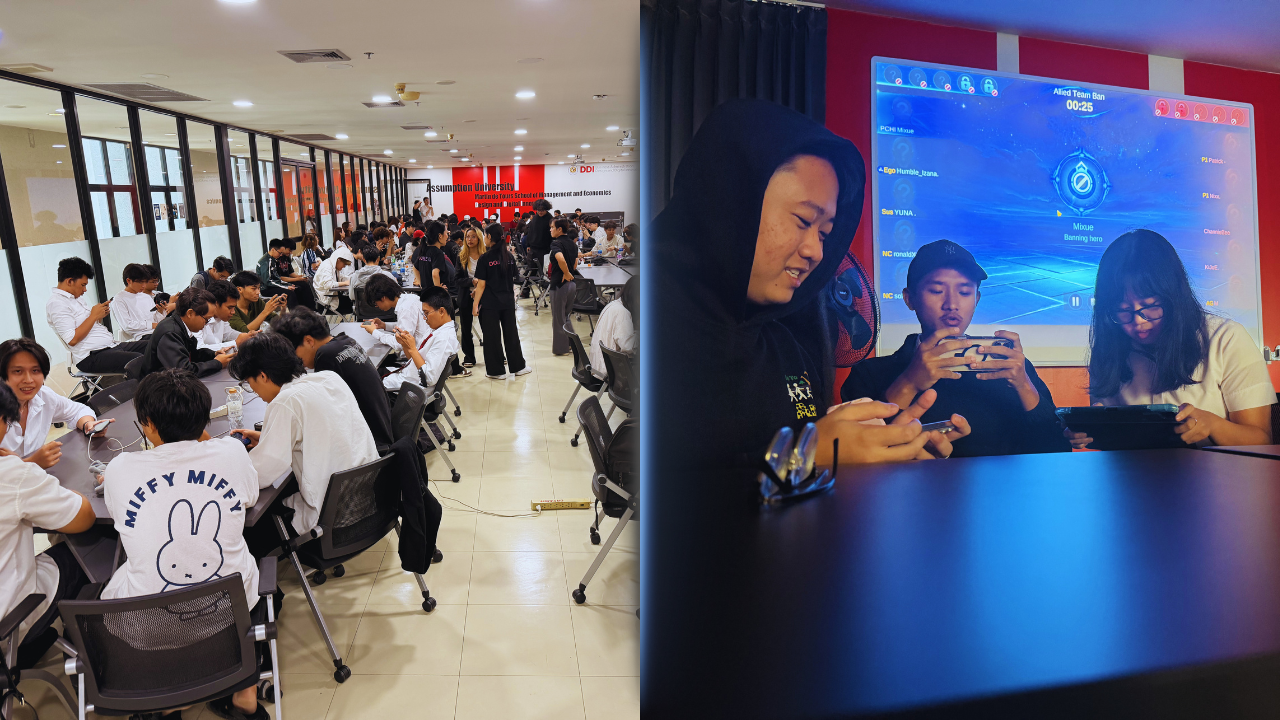
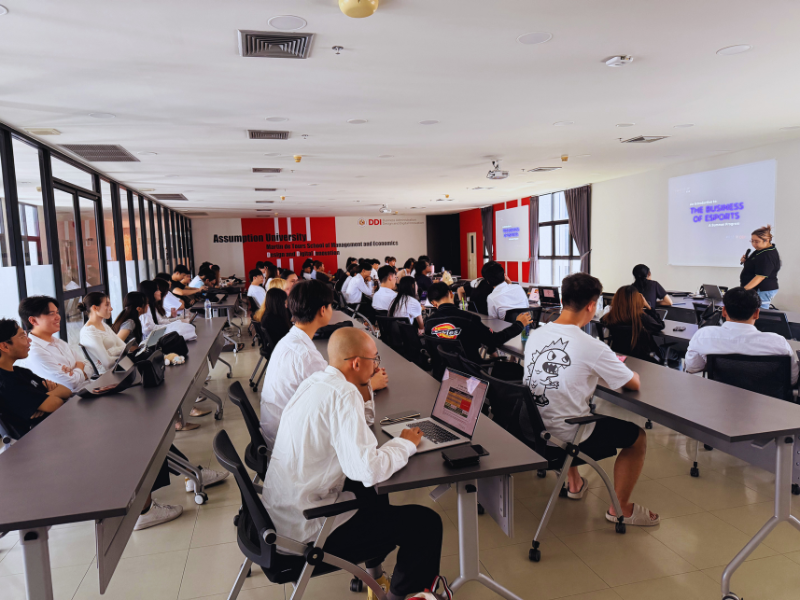
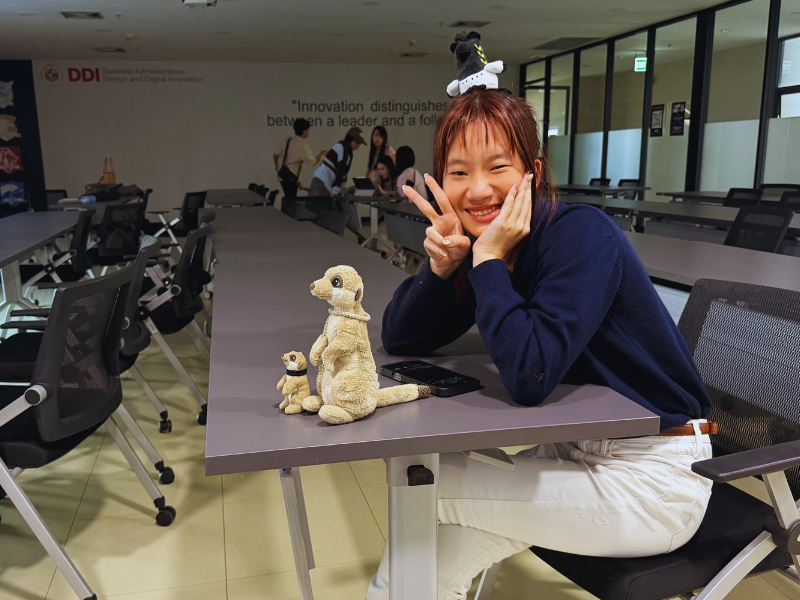
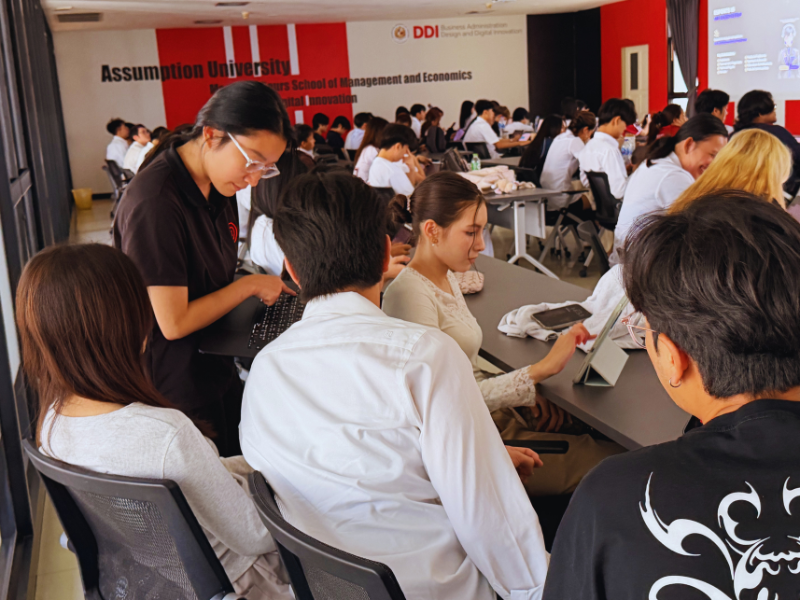
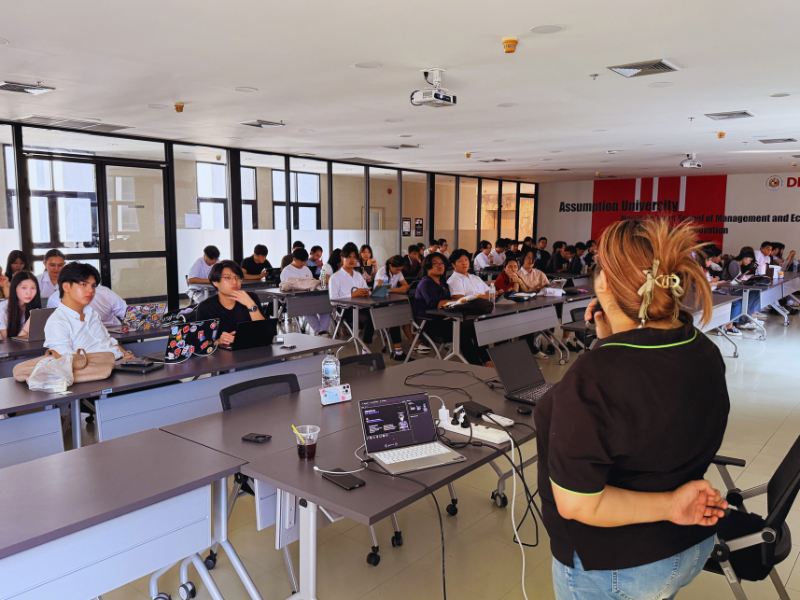
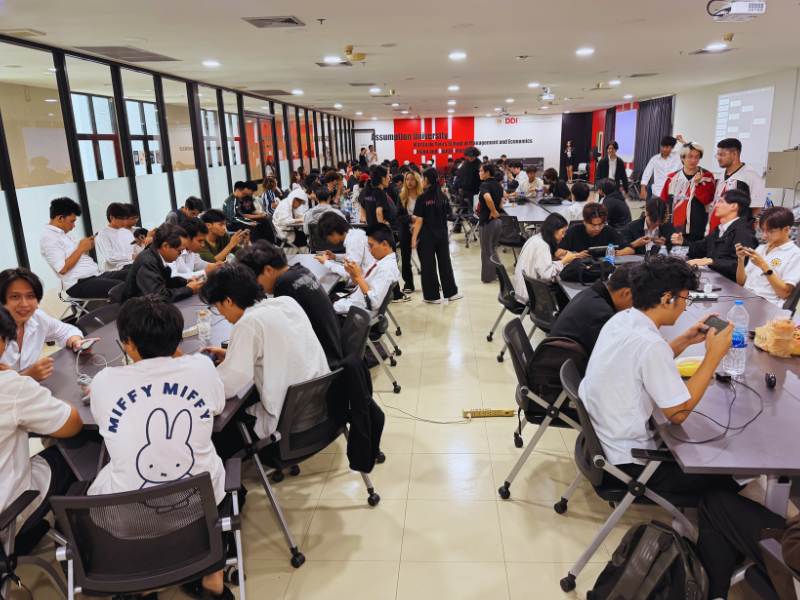
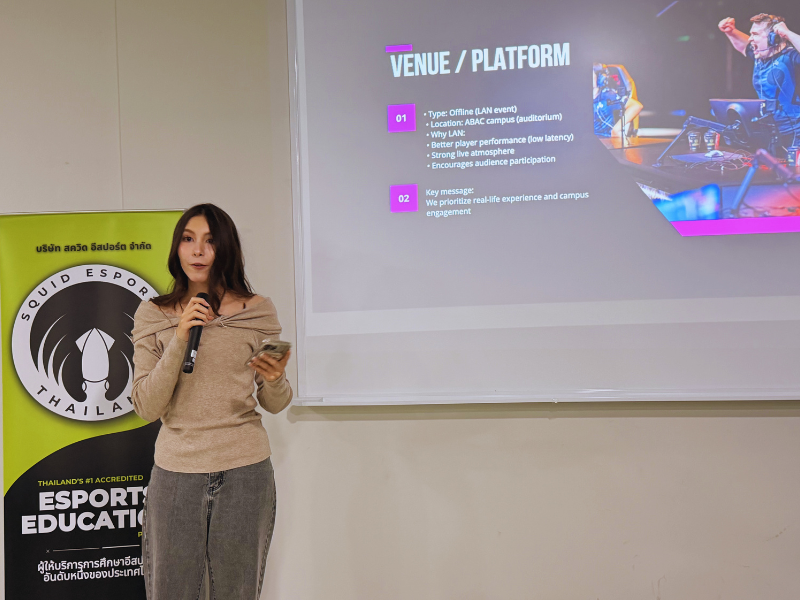
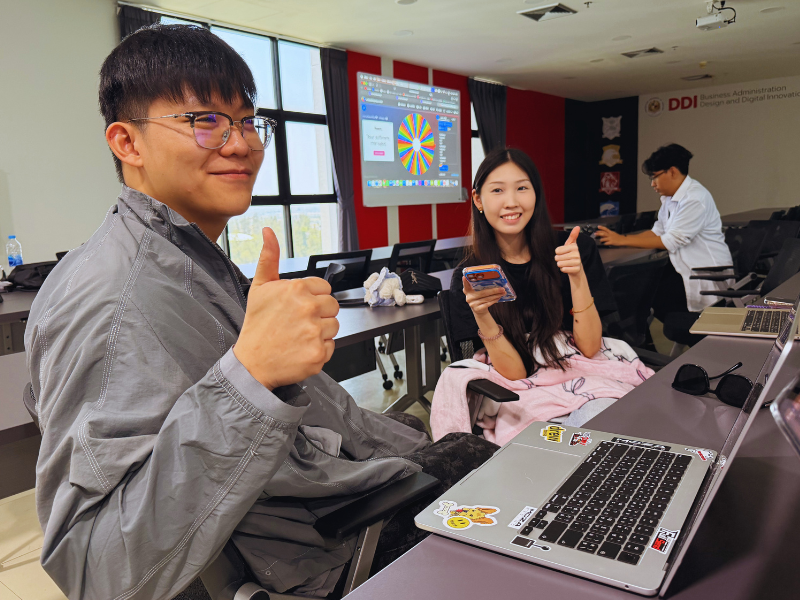
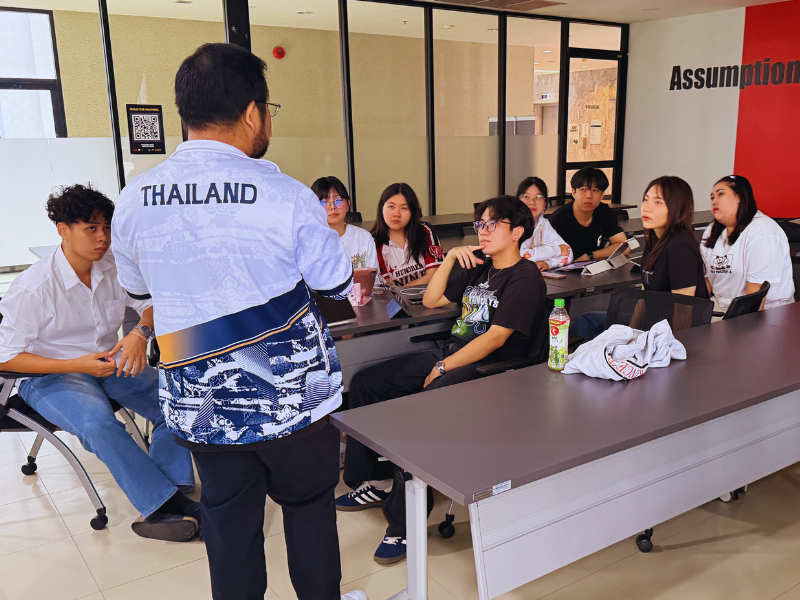
Delivered in Thailand by Squid Esports across one full term with 85 students from 6 faculties, a working example of how the pathway runs at university scale.
What lecturers say after running it
Public endorsement from the lead lecturer of the Thailand delivery of the Business of Esports pathway.
Read the full case study for structure, outcomes, student response, and implementation notes.
View the full case studyRequest a proposal or a pilot
Share a few details and we will return a tailored scope, timeline, and cost estimate, plus a short pilot plan you can run with one class first.
We reply within 1 business day, in English or Thai.