
Softskills
From a Team Game to a School Project: Practising Shared Responsibility

In this guide
Three classmates have a presentation due on Friday. One wants to talk about food waste in the cafeteria. Another wants to make the whole presentation about composting. The third has started making slides just to get something done. By Wednesday, the group has two versions of the introduction and nobody has checked the evidence.
If your teen has practised coordinating with a team in esports, they have some moves they can try here. They can help the group agree on a goal, make sure everyone has a role, and talk through a disagreement before it becomes personal.
Five Esports Skills Teens Can Use in a School Project
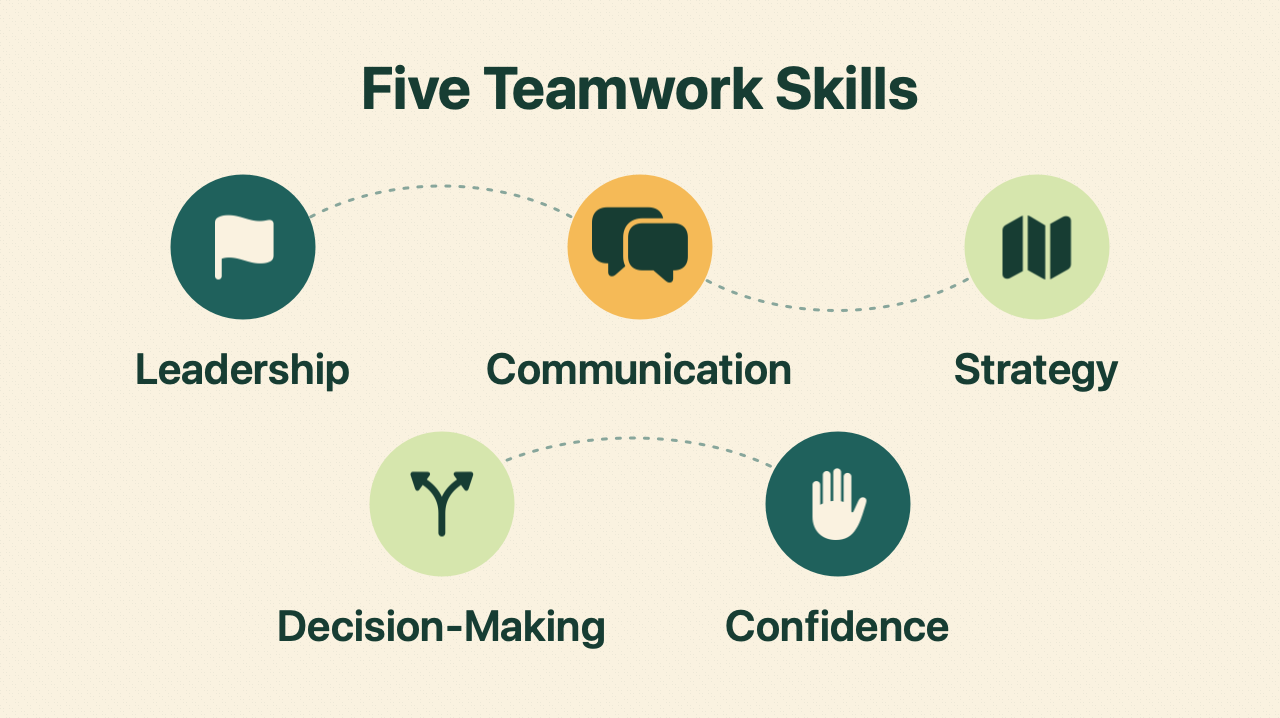
Leadership helps the group get organised. In a game, someone can invite each teammate to share what they see before calling the next move. In a project, the person coordinating can ask everyone what they can take on, then help the group agree on responsibilities. A quiet classmate can lead the research while someone else runs the rehearsal.
Communication helps the group catch confusion early. A player who misses a call can ask the team to confirm the plan. In school, a student can say, “I thought we were both writing the introduction. Which part would you like to take?” A classmate can volunteer to keep everyone updated, while each person stays responsible for flagging delays. See how to check that everyone understands the plan.
Strategy helps the group choose a workable plan. A team weighs its options against the time and information it has. In school, that could mean choosing a topic the group can research before Friday, then leaving enough time to rehearse and make changes.
Decision-making helps the group move past a disagreement. Ask what the decision needs to achieve, give both ideas a hearing, and use the same criteria for each. For this project, the group might choose the idea that answers the assignment and has evidence they can check in time.
Confidence can look like speaking up before you have the answer. A teen might say, “I can explain the survey results, but I’d like to practise my part with someone first.” They can start with a short section and build from there.
When the Group Disagrees, Give Each Idea a Fair Hearing
Back in the food-waste group, the student who’s been making slides pauses and asks, “What would we need to show to make either idea work?” The classmates check the brief. They need to explain one problem and propose a solution the school could try. They already have observations from the lunch queue, so they use cafeteria waste as the main topic and keep composting as one possible solution.
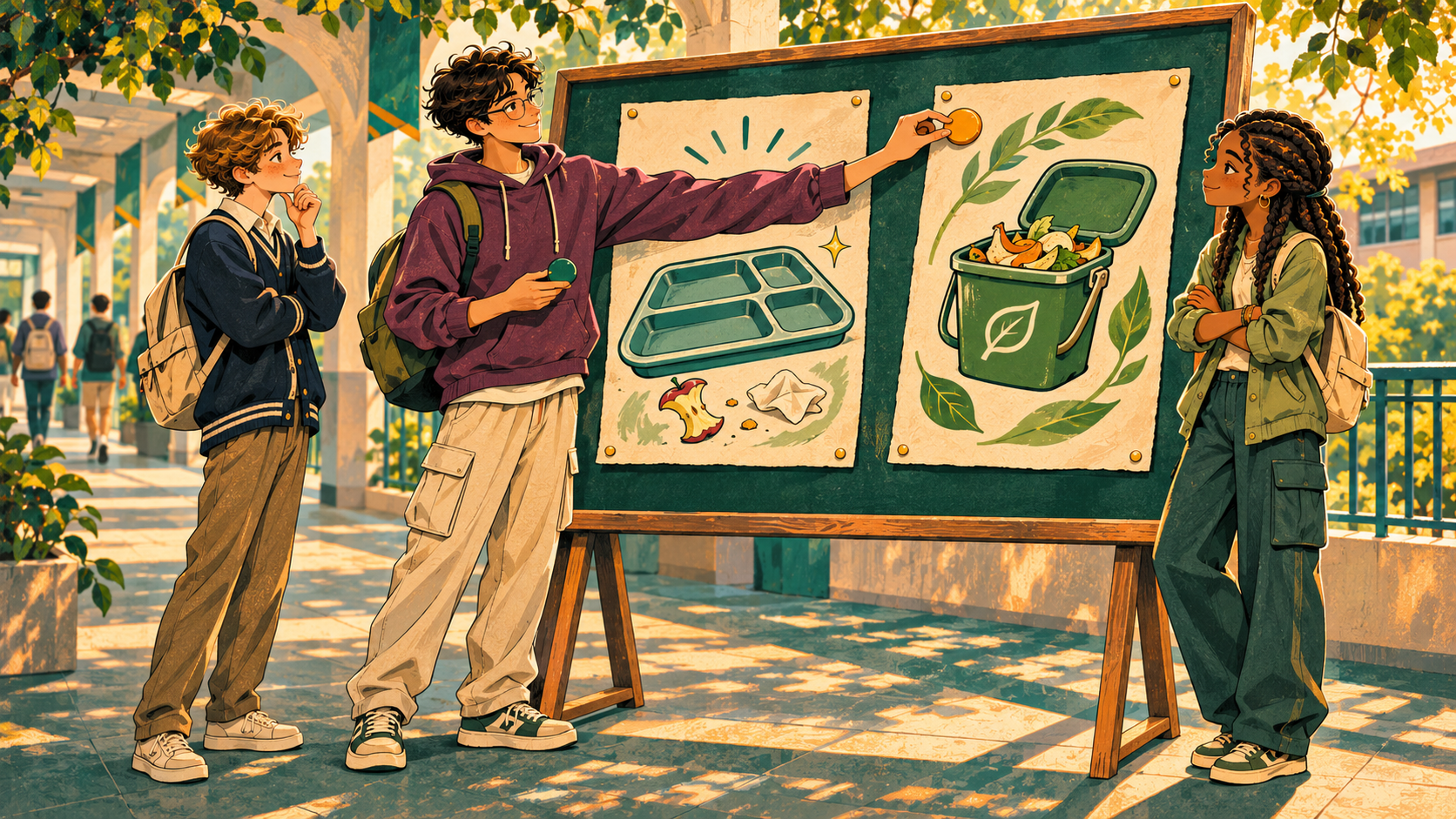
They split the work around that decision. One student checks the lunch observations, one drafts the recommendation, and one brings the slides together and leads a short rehearsal. When the evidence is running late, the student gathering it says, “I can finish the lunch observations by tomorrow. Could someone check our survey figures today?” The group can now respond to a specific request. If the conversation gets heated, the group can take a break and return to the issue using what happened before assigning blame as a starting point.
The Education Endowment Foundation’s classroom research summary highlights the value of a shared goal and carefully designed group tasks. CAST’s learning design guidance also calls for clear roles and responsibilities. These ideas inform the school example. The useful step for your teen is to choose one move they’ve practised and deliberately try it in a school project. Education Endowment Foundation on collaborative learning · CAST guidance on collaboration
One Move to Try Before the Next Group Meeting
If your teen says, “I always end up doing everything,” ask, “Which part could someone else own, and what would they need from you?” They might propose a specific handover: “I’ll put our notes in one place. Could you turn the survey results into a slide and show us a rough version tomorrow?” After the meeting, ask whether the other person had enough information to get started.
Squid’s Leadership programme has a dedicated soft-skills curriculum. Competitive coaching teaches skills such as communication and decision-making through gameplay alongside work on game performance. For more on what that practice can look like, see what teenagers can learn through esports education.
Explore another topic