
SEN
Esports and SEN: What Helps Teens Take Part in a Team Session?

In this guide
Your teenager might be the first to spot a shortcut on a map or the person who knows how to get a teammate out of a tricky spot. They might also find it hard to get a word in when several people are talking at once. A shared game gives peers something specific to do together. With a clear team goal and a way to communicate that works for them, an autistic teenager may find it easier to share what they know and get to know teammates.
This article focuses on autistic teenagers. If your family is exploring special educational needs (SEN) support, start by asking your teenager what they enjoy, what gets in the way and whether a team session interests them. Their answers give you a starting point for talking to a provider.
What Might Autistic Teens Get from Team Gaming?
- Connection through a shared interest. In a 2026 Australian survey, 15 of 22 autistic young people aged 10 to 18 said they played online with friends from school. Australian Occupational Therapy Journal
- A chance to contribute and learn from peers. In interviews with five autistic teenagers, participants described how exchanging game strategies helped them build friendships. A player who knows a map well can share a route and learn how a teammate approaches it. Journal of Child and Family Studies
- A setting where some teens feel more socially confident. In the same Australian survey, 13 of 22 young people agreed that online gaming helped them feel more confident in social situations. Australian Occupational Therapy Journal
- More control over how they join in. Interviews with 12 autistic adolescent boys highlighted choice and belonging as part of their gaming experiences. In a team session, that might mean choosing a role or deciding how to signal readiness. Autism
These findings come from small groups describing their experiences. In a structured Minecraft pilot with 11 autistic children aged 10 to 12, researchers found no statistically significant improvement on the social-skills measure. Treat the benefits above as possibilities to discuss with your teenager when deciding whether to try a session. International Journal of Speech-Language Pathology
What Can Make a Team Session Easier to Join?
Give the team a clear task. Imagine two players have to meet at a bridge. A facilitator could say where to meet and show the same instruction on a simple map. One player can mark the route and the other can signal when they’re ready. Both players contribute to the plan. CAST’s guidance on showing information in different formats
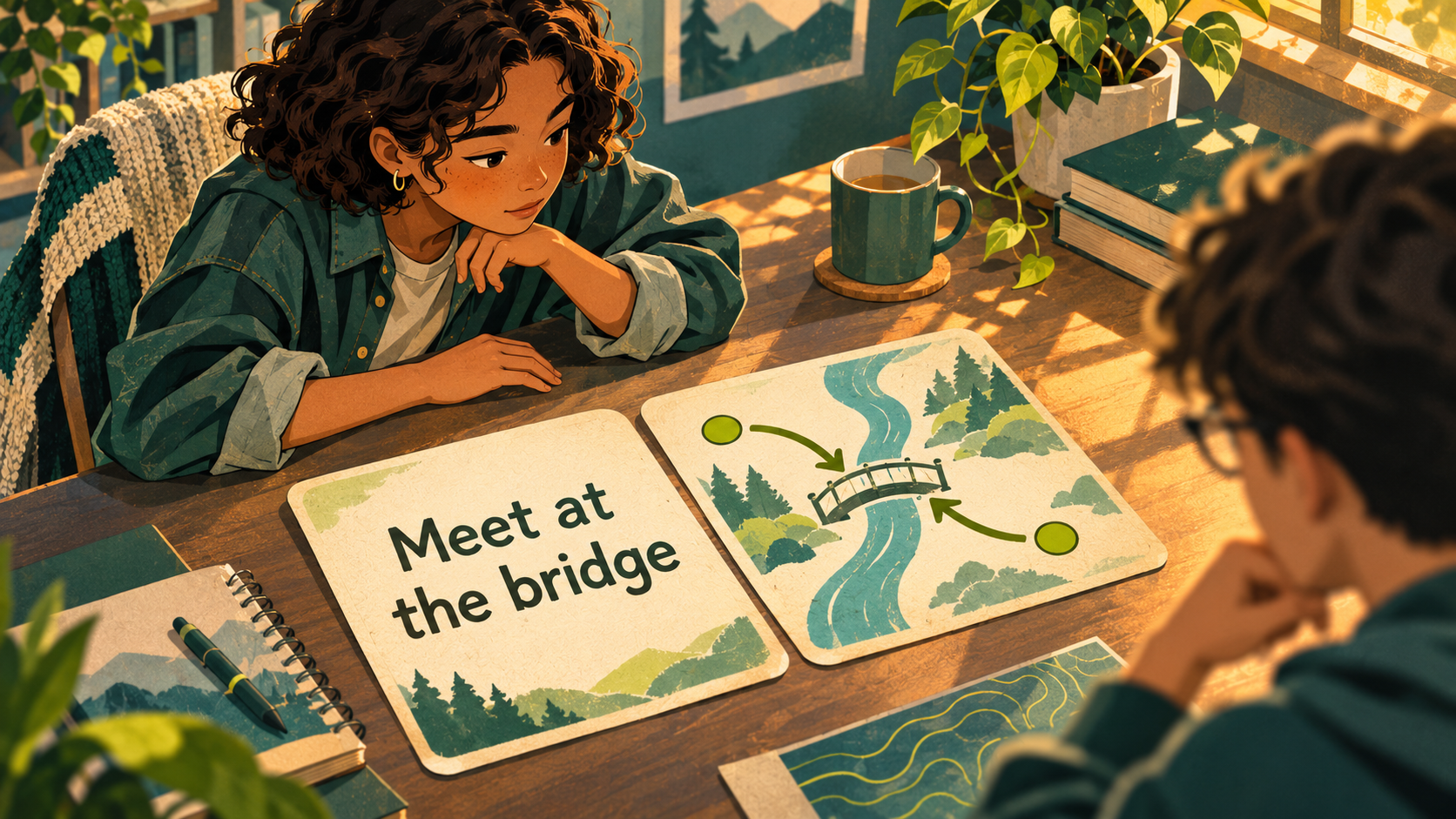
Ask what works for your teenager. Some players might want to speak. Others might prefer a message or an in-game signal, if the game and group rules allow it. A group can agree on what each signal means and leave time for a response. Autistic and non-autistic teammates can use the same shared plan while communicating in different ways.
Agree on a starting pace. Your teenager might want to watch a short practice round, try one role or agree on how to ask for a break. Discuss what they would like to try and what the provider can offer. A useful first goal could be sending a route marker or responding to a teammate’s ready signal. CAST’s guidance on choice and autonomy
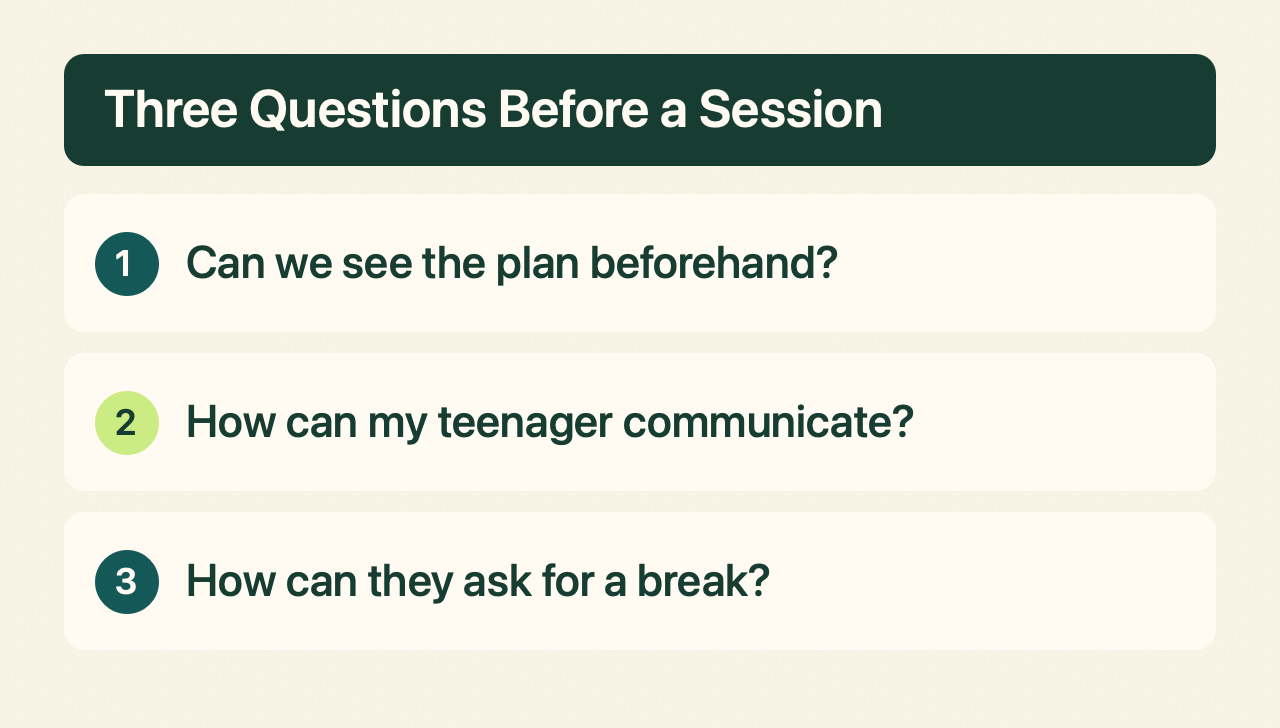
Three Questions to Ask Before a Session
- What will my teenager see before we start? Ask whether they can see a short plan or example of the first task.
- How can they communicate during play? Ask what options are available, who can contact them and who supervises interactions.
- What if they need more time or a break? Ask how they can tell the facilitator and what happens if they want to pause or rejoin.
For example, you could say, “My teenager follows a short written plan more easily. Could they see the first task before the session?” Schools and SEN organisations can ask to see a sample activity and how the facilitator would check whether the learner could take part in a way that worked for them. For a broader checklist, read what to check before joining an esports programme. eSafety’s guidance on who can communicate during online play
If your teenager is interested in a Squid trial, bring one example of what helps them take part. The team can discuss which options are available before you decide.
What to Ask Your Teenager Afterwards
“What did you enjoy?” and “What would you change for next time?” are good places to start. They might tell you that they shared a useful strategy, understood a teammate’s signal or want more time to read the plan. They might also decide the session felt too busy. Use their feedback to decide together whether to return, ask for a change or try a different activity.
If the team is still learning how to respond to one another, try the examples in Gaming and Teamwork: Five Communication Habits to Practise, especially the habit about checking that everyone understands the plan.
Explore another topic