
Guides
Esports education for teenagers: what can they learn?

In this guide
Esports education for teenagers can provide a structured setting to practise communication, teamwork, decision-making and game-specific skills. The learning depends on what is taught, how it is practised and the feedback a learner receives. Playing a team game, by itself, does not demonstrate that those skills have developed.
For parents, a useful starting question is: What will my teenager actually practise, and how will we recognise progress?
You do not need to understand every game to ask that question. You need a clear explanation of the teaching.
What is esports education?
Esports means organised competitive video gaming. Esports education uses that setting as a subject to study, an activity to learn through, or both. Depending on the course, the focus might be team behaviour, game performance or roles such as broadcasting and event production.
A useful distinction is between playing, practising and being taught. A teenager might play several matches for enjoyment. They might practise a particular action repeatedly. In a structured learning session, someone also sets a purpose, explains or models an approach, observes what happens and helps the learner reflect.
Consider a team that keeps starting a task before everyone is ready. An educator could pause the activity and ask each person to explain their responsibility. The group could then agree on a readiness check and try again. The learning goal would be coordinating responsibilities, rather than simply winning the next game.
That is an illustrative teaching example, not a description of a particular Squid class.

What skills could a teenager practise?
Look for specific behaviours rather than broad promises about confidence or future success.
| Learning focus | A behaviour to practise | A useful reflection question |
|---|---|---|
| Communication | Give a short, relevant update and check it was understood | “What did your teammate need to know?” |
| Teamwork | Agree on roles before beginning a shared task | “Did everyone know what they were responsible for?” |
| Leadership | Invite another view before proposing a plan | “Whose information changed your thinking?” |
| Decision-making | Explain a choice using the information available at the time | “What did you know before you acted?” |
| Responsibility | Identify your own contribution to a mistake | “What could you change next time?” |
| Composure | Pause before responding to a frustrating moment | “What would a useful response sound like?” |
These are possible practice targets. They are not guaranteed outcomes, and one successful attempt does not establish a lasting habit.
Game performance is also a legitimate learning interest. A teenager may want help understanding positioning, choosing when to act or reviewing a recurring mistake. Ask them what they want to improve before deciding which learning approach fits.
What does the evidence tell parents?
Australia’s eSafety Commissioner studied young people’s online gaming experiences in August and September 2023. Participants reported positive experiences involving learning and social connection, alongside negative experiences and safety concerns. These reports describe young people’s experiences; they do not prove that a particular course causes better teamwork, wellbeing or school performance. Read eSafety’s research summary.
When comparing programmes, separate three things: what the provider intends to teach, what the learner can demonstrate during a session, and what changes elsewhere in their life. Evidence of one does not automatically establish the others.
How can parents recognise useful teaching?
Ask a provider to walk you through one activity. A clear answer should help you understand:
- The goal: What is the learner working on?
- The teaching: What will the educator explain or demonstrate?
- The practice: What will the learner do differently?
- The feedback: How will someone help them notice what happened?
- The next step: What will they try again?
For example, “We teach teamwork” leaves much unanswered. “We ask learners to agree on responsibilities, observe whether they follow that agreement and discuss what needs changing” gives you something concrete to evaluate.
Progress might involve a clearer explanation, a more useful question or a better response to feedback. A match result alone cannot tell you whether those behaviours improved.
How do you connect learning to everyday life?
If you want your teenager to practise the same behaviour at school or at home, make that a separate, deliberate activity.
Suppose they have been working on checking that teammates understand a plan. You could ask: “Where might that be useful in your next group project?” Together, choose one action, such as summarising who will do each task before the group finishes its meeting.
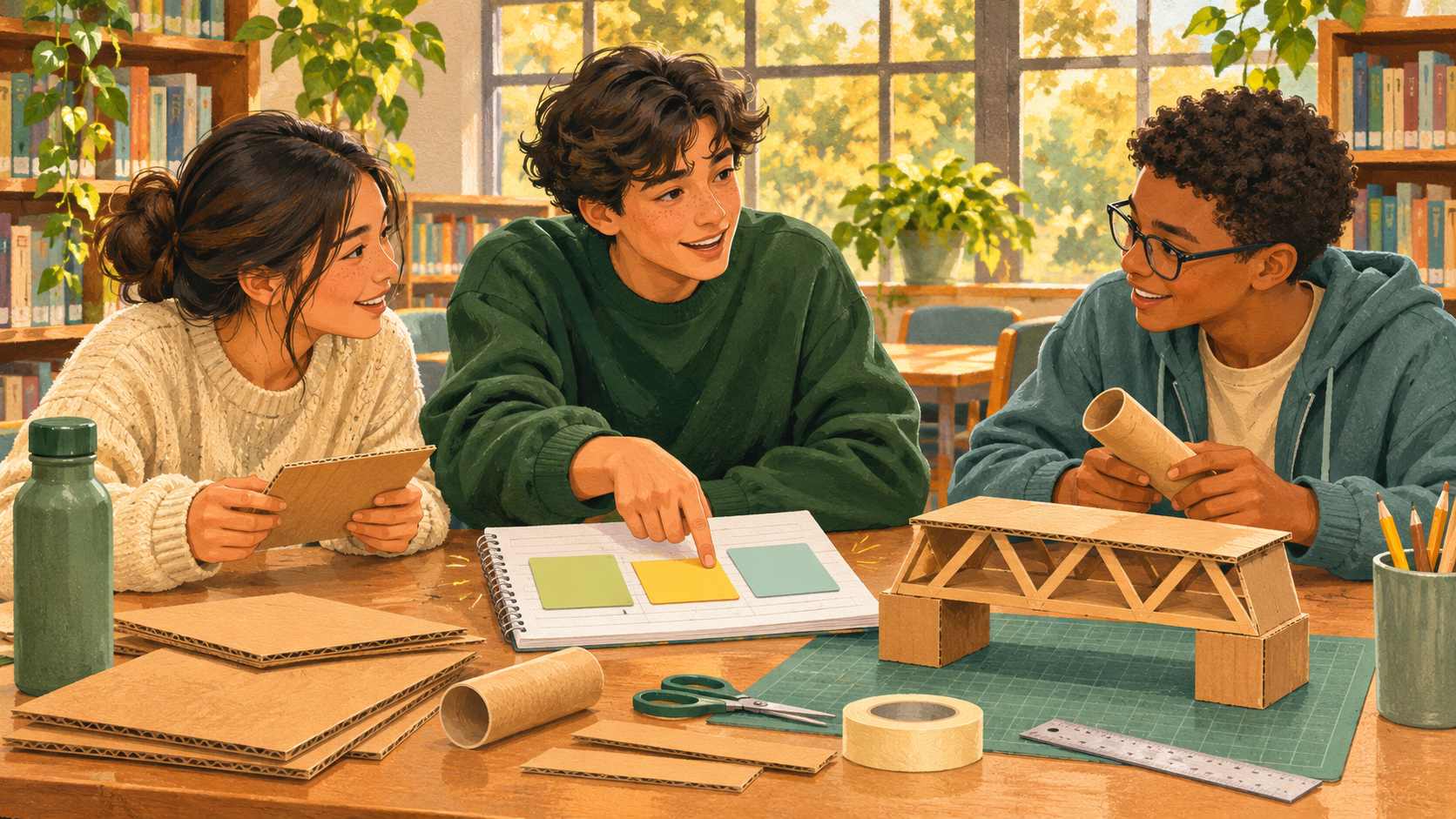
Afterwards, ask what happened. Did anyone need clarification? Would they change the wording? Treat the conversation as reflection, rather than a test of whether gaming has made them a better student.
This is a suggested practice activity. It is not evidence that skills automatically transfer between gaming, school and family life.
What should you check before joining?
Ask about age eligibility, game suitability, the learning format and the practical arrangements. For an online programme, also ask who can contact your child, how communication is supervised, what happens if someone behaves inappropriately and who handles concerns. If sessions involve recordings, ask what is recorded, what consent is required, who can access it and how long it is kept.
Australia’s eSafety guidance recommends reviewing age information, privacy settings and communication controls when choosing games. It also encourages families to agree on gaming rules together. Those are useful starting points for a conversation with your teenager. Check the relevant guidance and game requirements where you live. See eSafety’s game setup guide.
A programme should also fit your family’s existing commitments. Ask for the schedule, equipment requirements, full price and cancellation terms before paying.
How Squid approaches Leadership and Competitive
Squid’s Leadership programme has a dedicated soft-skills curriculum, with classroom-style teaching, textbooks and notes.
Competitive starts from the learner’s game, experience and performance goals. Relevant communication, teamwork, leadership, decision-making and composure skills are taught through coaching and gameplay. One-to-one Competitive coaching uses recorded matches and live gameplay.
Both programmes can address broader development. The distinction is their starting point and teaching approach. Discuss your teenager’s interests and ask the team to confirm eligibility, games and current session options.
To explore which approach may suit your teenager, Book a free trial.
Explore another topic