
SEN
What Can Autistic Teens Gain from Team Gaming?
In this guide
“You play that too?” can be the start of a friendship. For an autistic teenager who enjoys gaming, a familiar game can give them something to talk about and a reason to spend time with other autistic teens. Playing together can also give them ways to share an idea, help a teammate and feel that their presence matters.
What matters to one teenager may be different for another. One might want a regular group to play with. Another might be happy sharing a favourite game with one friend. A team can make room for both.
If you’re looking for social activities for autistic teens, esports training is one option to explore with a teenager who already enjoys games. A structured session can give players a shared goal and a coach who helps them reflect on how they worked together.
A Shared Interest Makes It Easier to Start
The first conversation can be about a character, a map or a tricky part of the game. Players can also get to know one another while doing something together, such as exploring the same area or figuring out how to finish a task. The game gives them something to come back to the next time they meet.
In interviews with five autistic teenagers who played online multiplayer role-playing games, participants described friendships forming through shared play, including teaching one another strategies. In a separate study with 12 autistic adolescents at a specialist school, young people described different ways of enjoying time with friends. Shared activities were one way they connected, and some also valued having space. Gaming and friendship interviews · Specialist-school friendship study
Teamwork Gives Each Player Something to Contribute
Imagine three autistic teenagers working through a co-operative challenge. One notices a shortcut and marks it on the map. Another spots a problem with the route and types a short suggestion. The third tests the new route. In the next round, they use what they learned together. Everyone has a part in the decision, and the group can see what each person added.
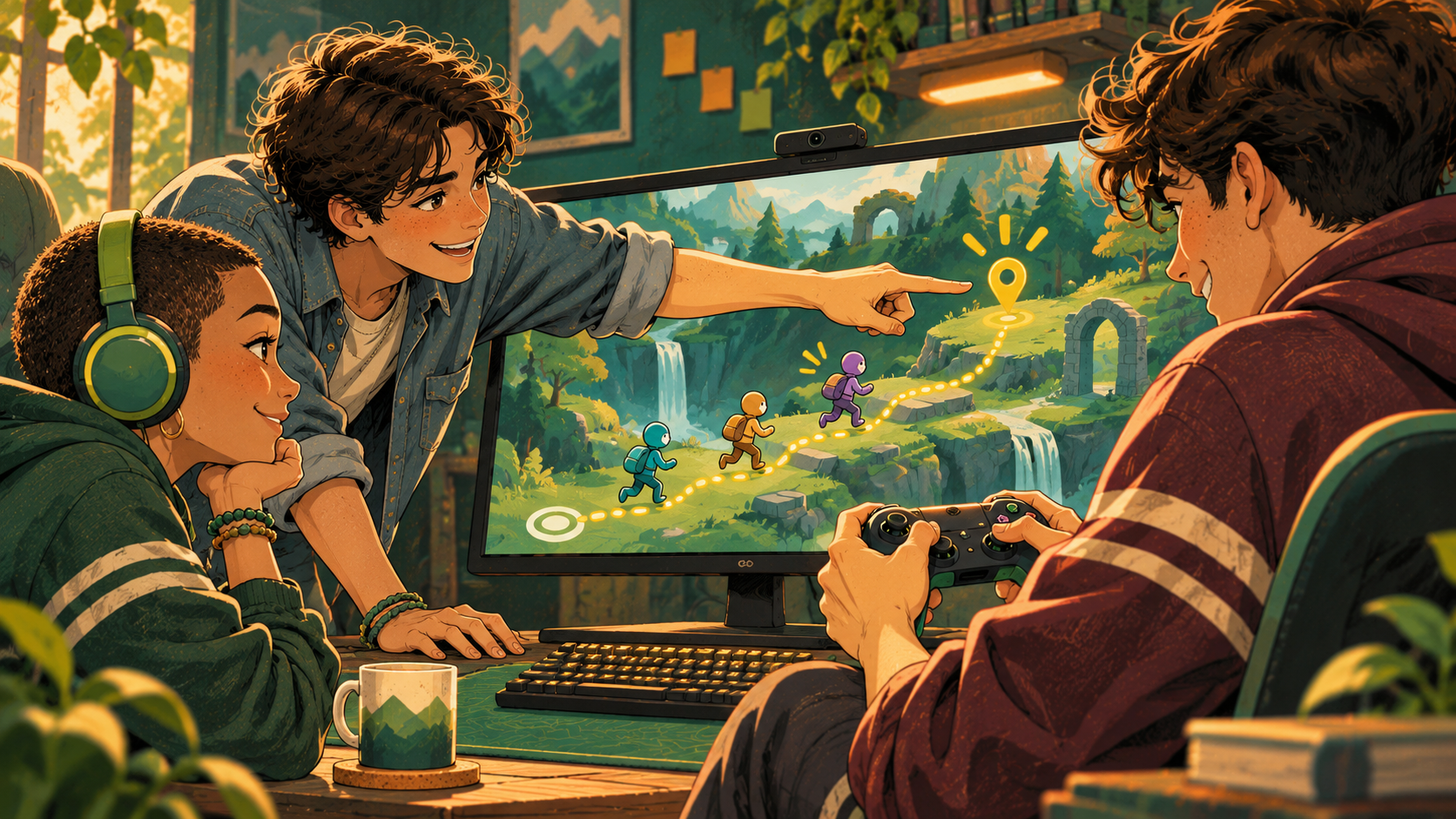
That kind of exchange gives players a reason to ask for help, respond to an idea or acknowledge a teammate’s contribution. It can happen through speech, text or an agreed game signal. In interviews with 12 autistic adolescent boys, researchers identified having a say in how they played and feeling that they belonged as themes in their gaming experiences. Interviews on gaming, agency and belonging
For examples of what that exchange can sound like, see how teammates check that everyone understands the plan.
Squid’s Leadership programme follows a structured esports curriculum for teenagers, with lessons on communication, teamwork and leadership. If your autistic teenager is interested, ask the team what a session involves and what support is available for the way they prefer to take part.
Playing Together Again Can Build a Sense of Belonging
A team can start to feel like a community when players have some say in what they do together. In the next session, the same three teens might ask the player who found the shortcut to pick the next challenge. A few weeks later, they might have a favourite way to start a round or an in-joke about a route that went wrong. For a teenager who likes playing with that group, those moments can turn a shared interest into a regular part of their social life.
In a 2026 Australian survey, 15 of 22 autistic young people aged 10 to 18 said they played online with friends from school, and 13 of 22 agreed that online gaming helped them feel more confident in social situations. Those answers describe how this group used and experienced gaming. The survey did not track whether gaming led to new friendships. Australian Occupational Therapy Journal study
A small structured Minecraft pilot with 11 autistic children aged 10 to 12 found no statistically significant improvement on its social-skills measure, and reports on how the children got along with peers were mixed. The evidence is more direct about how some young people experience shared play than about whether a particular programme will improve social skills or create lasting friendships. Flinders University’s summary of the Minecraft pilot
What Connection Can Look Like Over Time
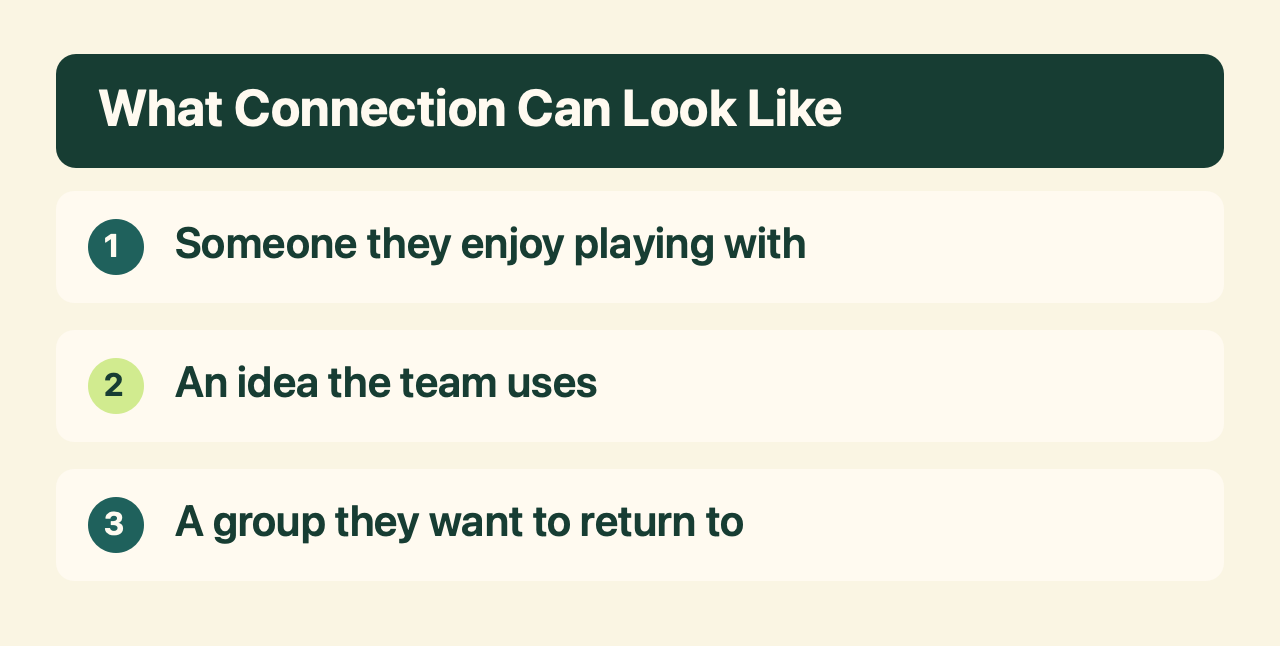
A teenager might mention someone they enjoyed playing with, say that a teammate remembered their idea or ask when the group is meeting again. A family could ask, “Who did you enjoy playing with?” or “Was there a moment when you felt your idea mattered?” Their answer tells you what they valued. It may be one person they want to play with again, a role they enjoyed or a group they’re starting to think of as theirs.
For families and SEN organisations exploring the practical side, our companion article covers what helps autistic teens take part in a team session, including ways to share instructions and give players choices about how they communicate.
Explore another topic