
Community
How Teens Find Their Place in Online Gaming Communities

In this guide
A teen joins a weekly game night and spends the first round mostly listening. Then someone asks which route they’d take. They point out a shortcut, the group tries it, and a teammate asks if they’ll be back next week. That small exchange can be the start of a friendship. There’s a shared interest, a reason to talk and a chance to get to know each other over time.
An online gaming community can be a school club, a coached esports group or a regular game night with friends. If your teen wants to meet other players, start by looking for a group with a clear purpose, age-appropriate activities and someone responsible for how people treat each other.
How a Shared Game Can Start a Friendship
For some teenagers, it’s easier to talk while doing something together. A question about a map or a shared objective gives them a natural way into the conversation. Playing with the same people over time gives them a chance to notice who listens, keeps their word and helps when a round goes badly. Those are the moments that can turn a teammate into someone they look forward to seeing.
In a 2024 Pew Research Center report, 47% of U.S. teens aged 13–17 who played video games said they’d made a friend online through a game. Australian research also found that young players reported social benefits alongside experiences such as bullying or unwanted contact. The group your teen joins can shape the experience. Pew Research Center’s survey on teens and gaming · Australia’s eSafety research on gaming
What a Welcoming Gaming Group Looks Like
In a welcoming group, someone explains the plan to a newcomer, asks what they’d like to try and makes room for them to speak. Players can contribute in different ways. One might call out what they see, another might use an in-game signal, and a third might prefer to listen during the first session. See five ways teammates can communicate more clearly and how team gaming can give autistic teens a shared activity to connect around.
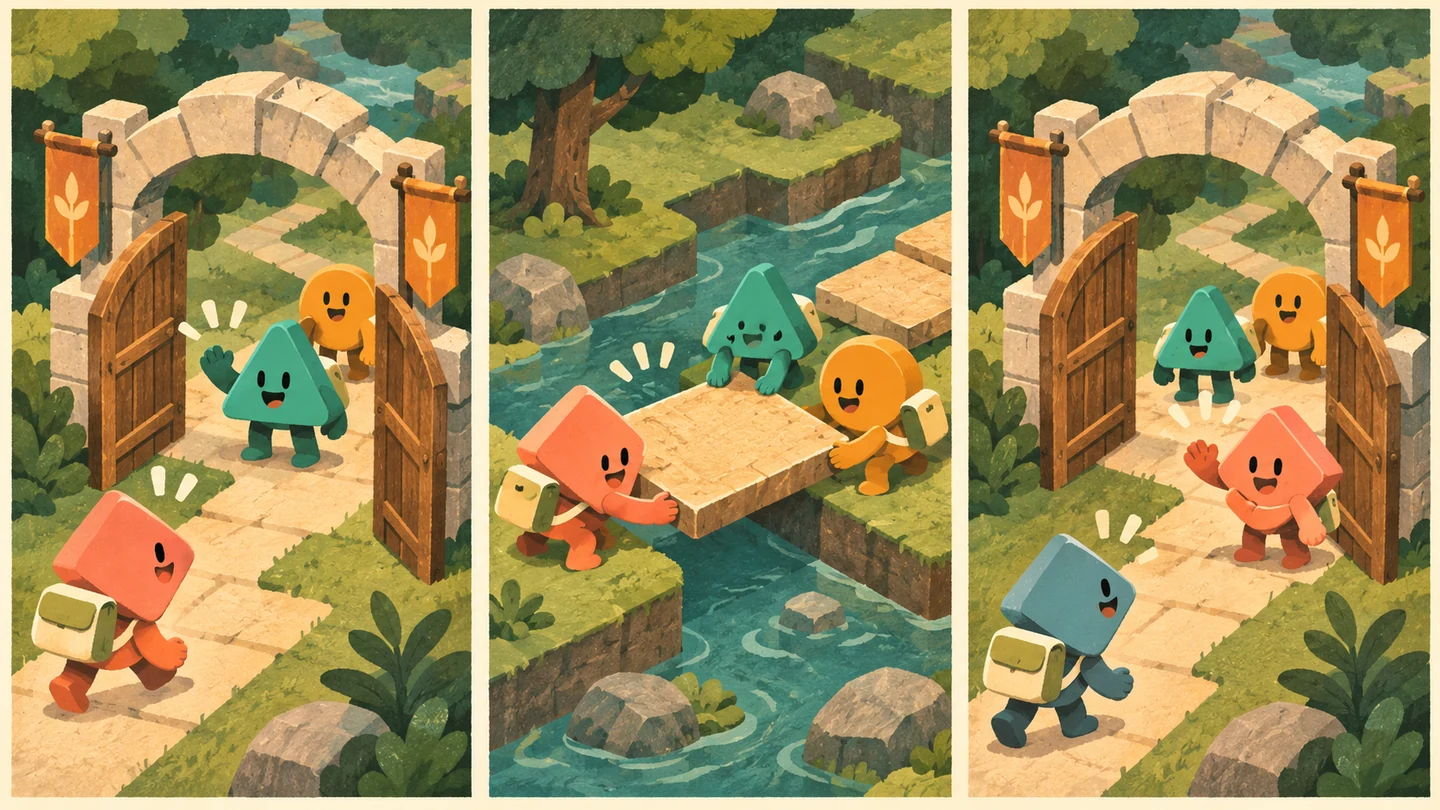
If your teen wants to meet people who play the same game, look together for a school club or a coached group that runs regular sessions for their age. They can join a group activity, ask a teammate what they like to play, and see who they’d enjoy playing with again. Before signing up, check who can join, who oversees sessions, whether players can send private messages and how a teen can report a concern. Keeping early conversations in the group gives friendships room to grow at a pace your teen is comfortable with. eSafety’s advice on multiplayer games
How Squid’s Esports Curriculum Helps Teens Connect
Squid Esports gives teens a structured way to meet peers who enjoy gaming. In a live Leadership group session, a coach sets an activity and guides learners as they share ideas, decide who does what and work towards a common goal. Competitive also offers group coaching for players who want to practise with others. Working together gives teens a reason to learn each other’s names, ask for help and recognise what a teammate brings to the group. See how Squid’s coached sessions work.
That structure matters when a teen is new. An adult coach leads the activity, there’s a clear reason for everyone to be there, and teens can get to know peers through the work they do together. A teen who’s unsure how to join the conversation can start with a concrete question, like “Which part do you want me to take?” Next time, they might be the one helping a new teammate get started.
- Communication. Asking “What did you hear us agree to?” helps a team catch misunderstandings before they cause an argument. The same habit works when classmates divide up a presentation.
- Shared responsibility. Agreeing who leads, who tracks time and who checks progress helps each player know how to contribute. Teens can try the same approach on a school group project.
- Confidence to contribute. Taking on one manageable role, then trying a different one, gives a teen practice speaking up, listening to feedback and inviting someone else’s ideas.
How Parents Can Talk About Online Friendships
Start with what your teen enjoyed. “Who made you feel welcome?” can tell you more about the group than the final score. Then ask, “Would you feel comfortable telling them you need a break?” The answer can open up a conversation about whether friends respect their time and boundaries.

If they want to play together again, a simple “Want to join next week?” gives them a way to follow up in the group. If someone pushes them to share personal information or move to private chat, let your teen know they can come to you or the adult responsible for the session. Squid’s online gaming safety article shows how to review voice chat, private messages and friend requests together.
After a few sessions, ask what they like about the people they play with and what they feel comfortable doing in the group. Being able to ask a question, offer an idea or welcome someone else can tell you a lot about how they’re finding their place.
Explore another topic